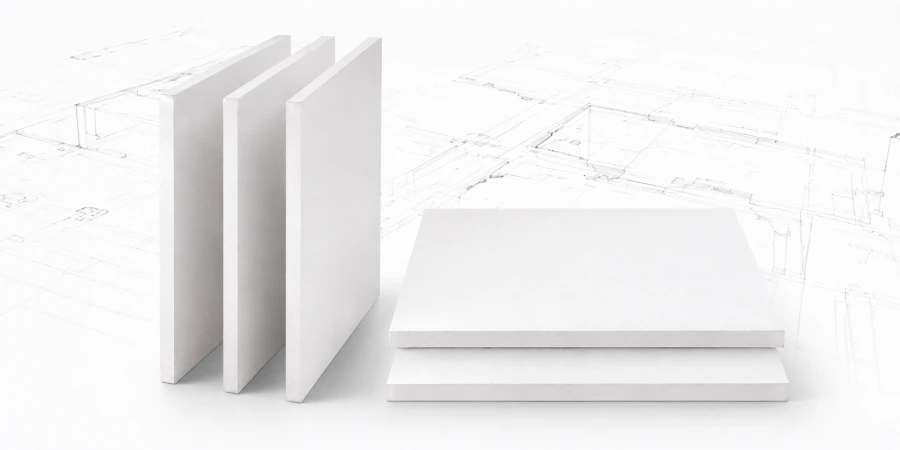
What is mgo board?
Complete Guide to Magnesium Oxide Board
MgO board (magnesium oxide board) is a fire-resistant, moisture-resistant, and durable building material widely used for walls, ceilings, subflooring, and fire-rated assemblies. Explore its types, specifications, applications, advantages, and installation methods in this complete guide.
MgO Board Quick Facts
On This Page
Jump to the section you’re interested in.
1. What is MgO Board?
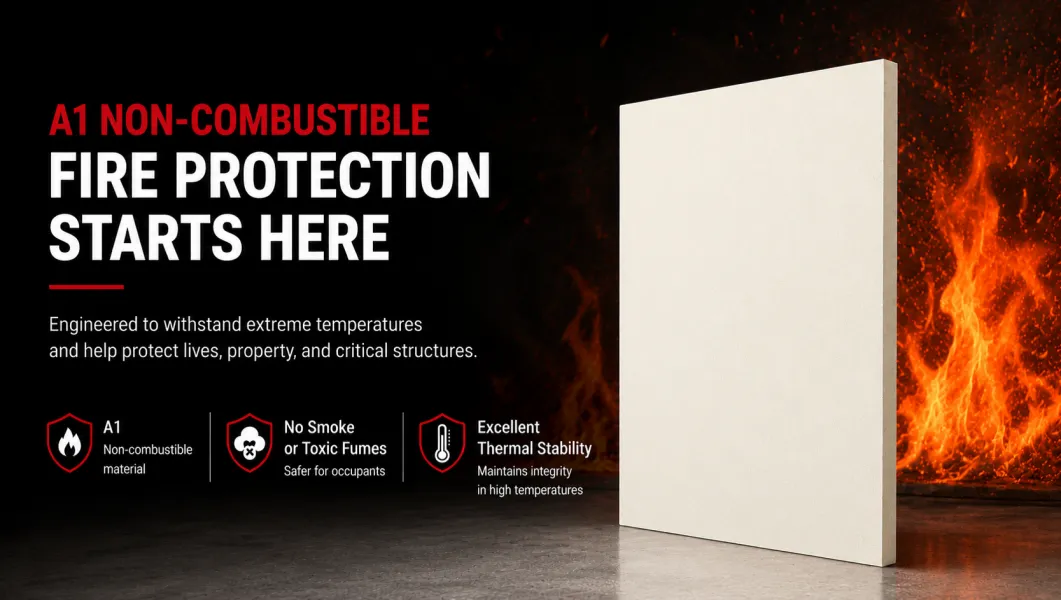
MgO board, also known as magnesium oxide board, is typically manufactured as a white, rigid rectangular panel designed to block or slow the spread of flames in residential and commercial buildings.
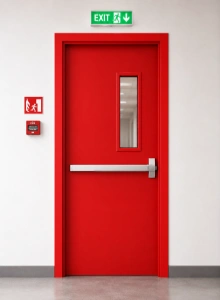
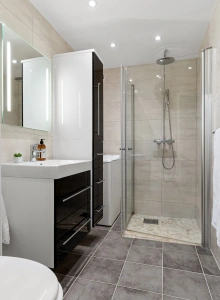
As an essential component of passive fire protection systems, it is widely used for walls, ceilings, fire doors, subfloors, and other fire-rated building applications, where it acts as a reliable barrier against fire, helping protect both structures and occupants.
It is an ideal alternative to traditional gypsum board, cement board, and plywood in many applications.

2. Types of MgO Board
MgO boards are available in different types to meet a wide range of construction requirements. They can be classified by their intended application and chemical composition. Understanding these differences helps you choose the right MgO board for your project.
2.1 Types of MgO Board by Application
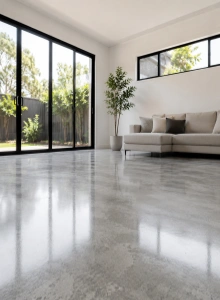
Common product categories include: MgO wall board, MgO flooring board, MgO ceiling board, MgO fire door core board and decorative MgO board. Explore our product range to find suitable MgO boards for your application.
2.2 Types of MgO Board by Chemical Composition
MgO boards are mainly divided into two types based on their chemical composition: magnesium sulfate board (MgSO4 board) and magnesium chloride board (MgCl2 board).
3. Where Can We Use MgO Board?









4. MgO Board Size & Specification
MgO boards are available in a wide range of sizes, thicknesses, densities, surface finishes, edge profiles, and colors to meet different construction requirements. Whether for walls, ceilings, flooring, fire doors, or prefabricated buildings, custom specifications are also available upon request.
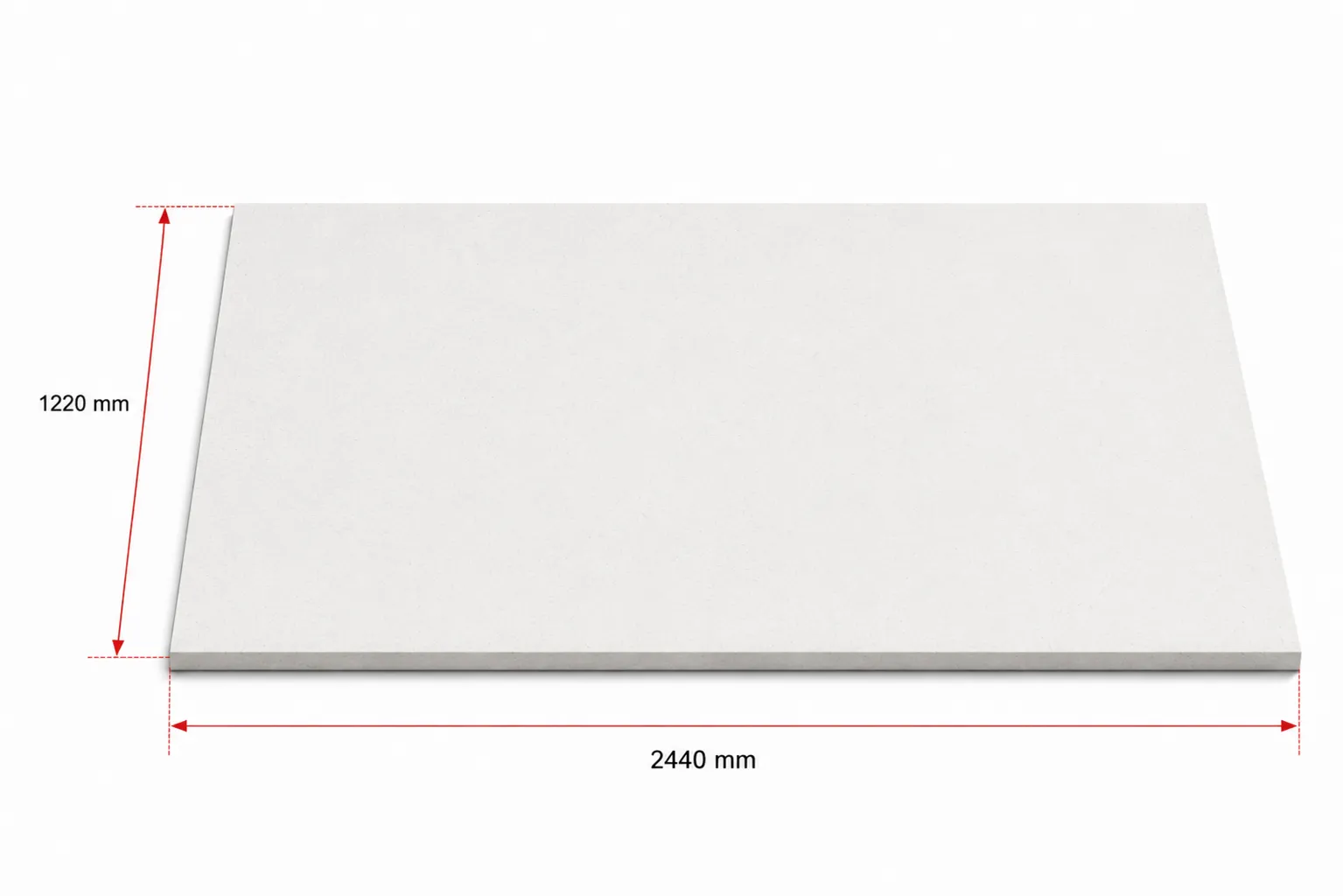
4.1 Size
The most common MgO board sizes are 1220×2440 mm (4×8 ft) and 1200×2400 mm, while boards up to 1200×3000 mm (4×10 ft) are also available for large-scale projects.
Common options include:
- 1220 × 2440 mm (4 × 8 ft)
- 1200 × 3000 mm (4 × 10 ft)
- Custom sizes available
4.2 Thickness
MgO boards are manufactured in different thicknesses to suit various applications.
Walls
8/10/12 mm
Subflooring
18/20 mm
Ceiling
5/6 mm
Fire Door
38/48 mm
Tunnel
Up to 40 mm
Walls
8/10/12 mm
Subflooring
18/20 mm
Ceiling
5/6 mm
Fire Door
38/48 mm
Tunnel
Up to 40 mm
4.3 Density
Different applications require different board densities to balance strength, weight, and performance.
| Application | Wall Panels | Flooring Panels | Door Core Panels |
|---|---|---|---|
| Density (kg/m³) | 900–1000 | 1200–1400 | 240–350 |
4.4 Surface
Multiple surface treatments are available to satisfy different installation and decorative requirements.
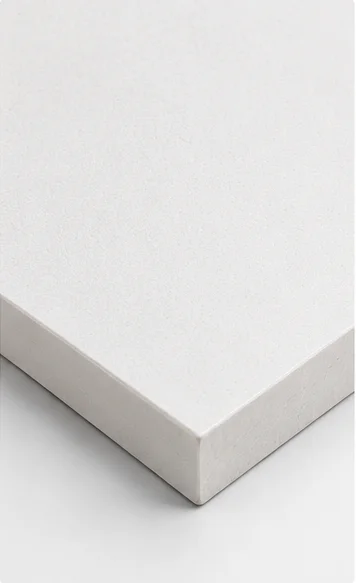
Smooth
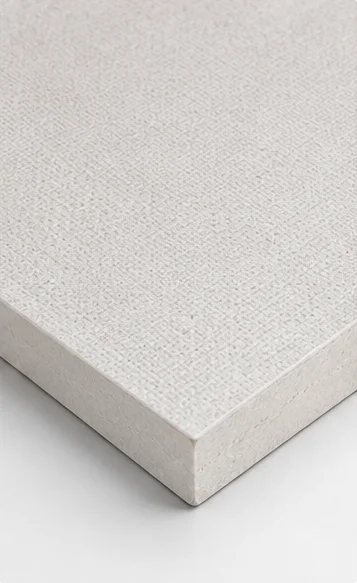
Mesh
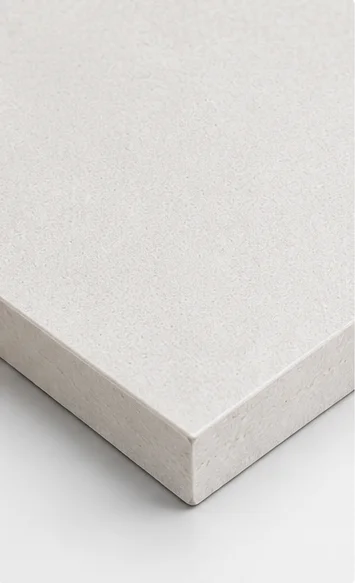
Sanded
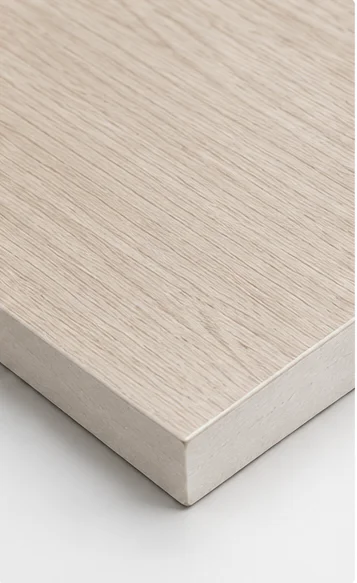
PVC Laminated
Smooth
Mesh
Sanded
PVC Laminated
4.5 Edge
Different edge profiles are available for easier installation and improved joint performance.
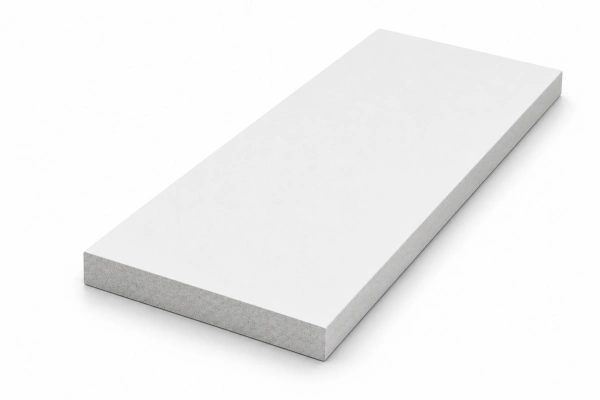
Square
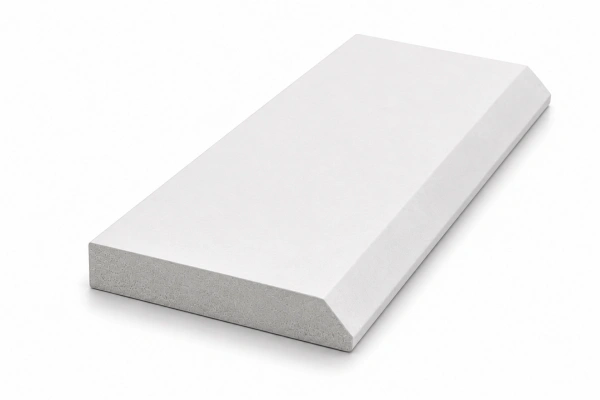
Bevel
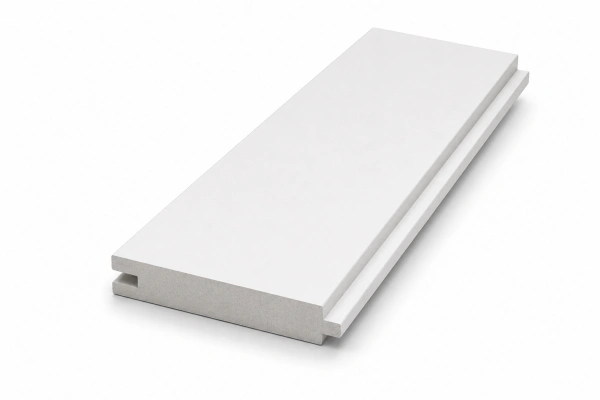
T&G
Square
Bevel
T&G
4.6 Color
White is the standard color of MgO board. Other colors can be produced by adding pigments during manufacturing.
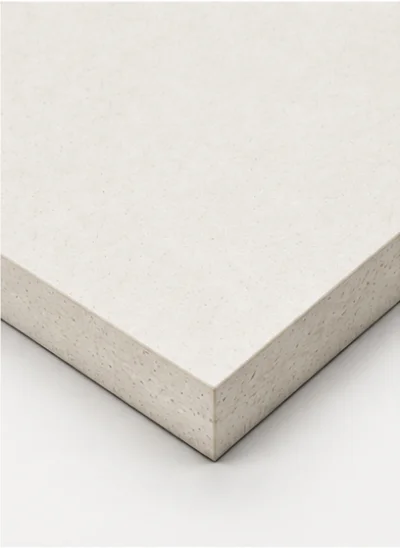
White
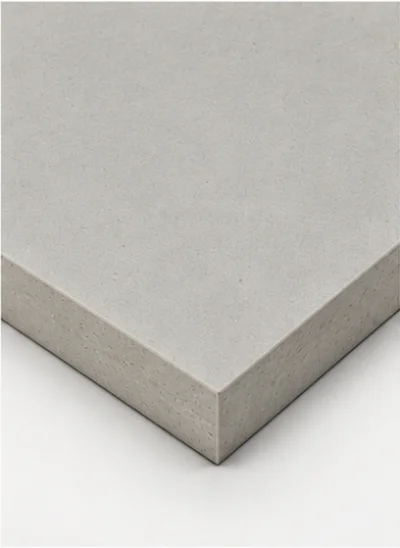
Grey
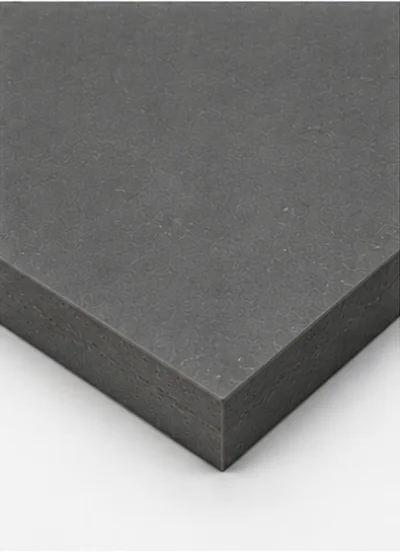
Black
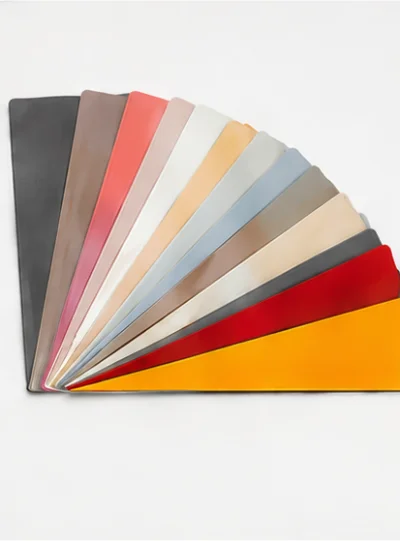
Custom
White
Grey
Black
Custom
5. MgO Board Advantages
MgO board combines fire safety, durability, moisture resistance, and environmental performance in a single high-performance building panel. Whether for residential, commercial, or industrial projects, it delivers reliable protection, longer service life, and easier installation.
Fire resistant
Moisture resistant
Lightweight
Non-toxic
Easy installation
Durable
Fire resistant
Moisture resistant
Lightweight
Non-toxic
Easy installation
Durable
6. MgO Board VS Drywall VS Cement Board
While drywall and cement board are both widely used in modern construction, they serve different purposes. The following overview highlights how MgO board compares with each material. For a more detailed analysis, explore our dedicated comparison guides below.
| Feature | MgO Board | Drywall | Cement Board |
|---|---|---|---|
| Fire Resistance | ✅ Excellent | ⚪ Moderate | ✅ Excellent |
| Moisture Resistance | ✅ Excellent | ⚠️ Poor | ✅ Excellent |
| Strength & Durability | ✅ High | ⚠️ Low | ⚪ Prone to Cracking |
| Installation | ✅ Easy | ✅ Easy | ⚠️ Difficult |
| Weight | ✅ Light | ✅ Light | ⚠️ Heavy |
| Price | ⚪ Medium | ✅ Low | ⚪ Medium |
6.1 MgO Board vs Drywall
MgO board offers significant advantages over drywall in fire resistance, moisture protection, durability, and long-term performance. While drywall remains a cost-effective option for standard interior partitions, magnesium oxide board is better suited for projects that require higher safety standards and improved durability.
6.2 MgO Board vs Cement Board
Both MgO board and cement board provide excellent fire and moisture resistance. However, MgO board is generally lighter, easier to cut and install, and less prone to edge chipping, making it a more practical choice for many residential and commercial applications.
6.3 Which One Should You Choose?
Drywall is ideal for budget-conscious interior applications, while cement board performs well in demanding wet environments. If your project requires a balanced combination of fire safety, moisture resistance, durability, and easy installation, MgO board provides the most versatile solution.
7. What is MgO Board Made Of?
The main raw materials of MgO board include:
- Magnesium oxide
- Magnesium chloride or magnesium sulfate
- Perlite
- Wood sawdust
- Fiberglass mesh
- Non-woven fabric
- Water

8. MgO Board Production Process
The production process of MgO board typically includes the following steps:
- Material Preparation & Mixing
- Board Forming
- Curing Phase
- Demolding
- Drying
- Cutting & Packaging
9. How to Install MgO Board?
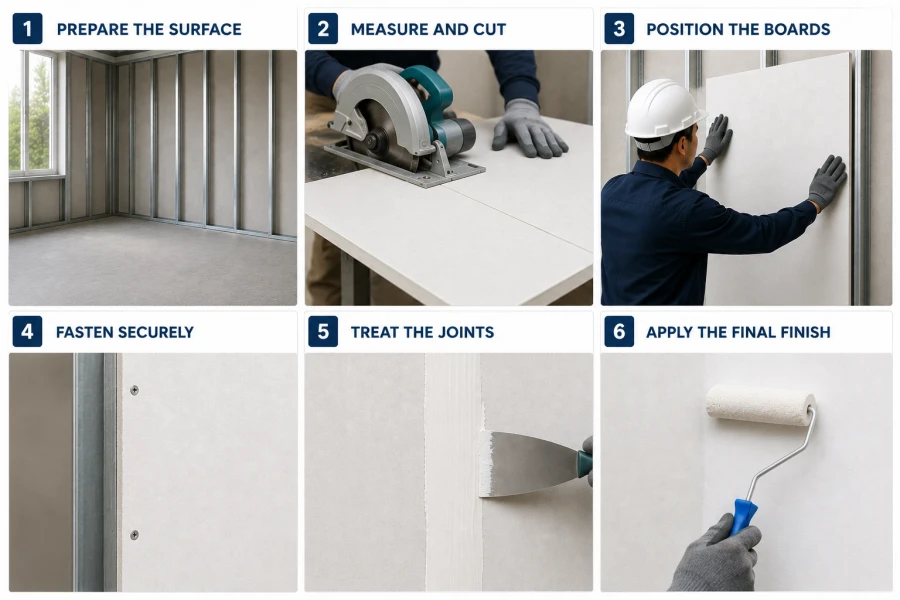
Installing MgO board is simple and similar to installing gypsum board or fiber cement board. The boards can be cut with standard tools and fastened using corrosion-resistant screws or nails.
Before installation, ensure the framing or substrate is clean, dry, and level. Secure the boards according to the recommended fastener spacing, treat the joints with compatible materials, and finish the surface as required.
For detailed installation instructions, please refer to:
10. MgO Board Packaging Options
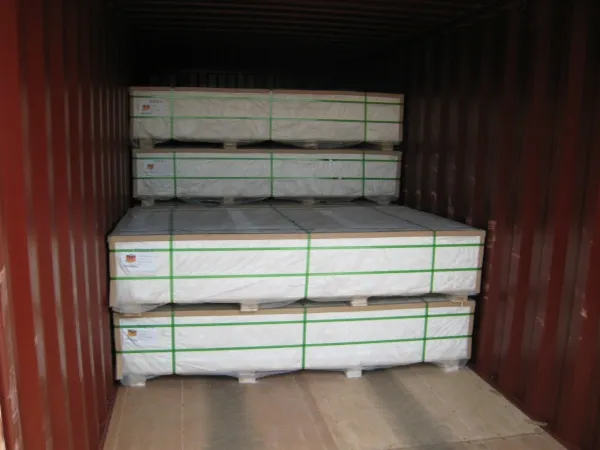
The packaging of MgO boards typically involves stacking the boards on wooden pallets, securing them with packing straps, and wrapping them with stretch film or plastic bags that can be customized with logos. Upon request, additional edge and side protection can also be provided.



11. Where to Buy MgO Board
Where you buy MgO board depends on your project size, required specifications, and location. Small projects can often be supplied by local distributors or online marketplaces like alibaba.com, while bulk orders and customized products are usually better sourced directly from manufacturers.
When choosing an MgO board supplier, compare product specifications, board composition, available test reports, sample quality, minimum order quantities (MOQ), and shipping costs. Don’t base your decision on price alone.
For bulk purchases, working directly with an experienced manufacturer can offer more competitive pricing, customization options, and direct technical support.
Looking for MgO boards for your project? Contact Suparna to discuss your requirements and request a quotation.
12. Frequently Asked Questions
Everything you need to know about MgO board. Browse our frequently asked questions covering product performance, applications, installation, certifications, pricing, and more.