
Table of Contents
Ask Us Any Question
1. Introduction
In recent years, Magnesium Oxide (MgO) boards have emerged as a versatile and high-performance building material, gaining global recognition for their fire-resistant, soundproof, and durable properties. As the construction industry continues to prioritize safety, sustainability, and long-term performance, MgO boards have become an attractive alternative to traditional materials such as gypsum, plywood, and cement boards.
The Russian construction market, in particular, is showing a growing interest in modern building solutions that combine durability, safety, and environmental responsibility. With an increasing number of residential, commercial, and industrial projects planned for 2026, the demand for fire-resistant and moisture-proof materials is rising steadily. MgO boards, with their unique combination of strength, lightweight structure, and resistance to mold and moisture, offer a compelling solution for builders and developers across Russia.
This article explores the applications, advantages, and market potential of MgO boards in Russia in 2026, providing insights into why this material is becoming a preferred choice for modern construction projects. From residential interiors to commercial complexes and industrial facilities, MgO boards are positioned to play a key role in shaping the future of Russian building standards.
Whether you are a contractor, architect, or developer, understanding the benefits and opportunities associated with MgO boards in Russia can help you make informed decisions for upcoming projects and investments. In the following sections, we will examine the material’s properties, key applications, market trends, and the potential challenges that may influence adoption in the Russian market.
2. Overview of MgO Board
Magnesium Oxide (MgO) boards are engineered construction panels made primarily from magnesium oxide combined with reinforcing fibers and additives. This composition gives them unique characteristics that set them apart from traditional building materials such as gypsum, plywood, or cement boards.
2.1 Key Features of MgO Boards
-
Fire Resistance: MgO boards can withstand high temperatures without catching fire, making them ideal for fire-rated walls, ceilings, and partitions. This is particularly important in Russia, where building safety regulations increasingly emphasize fire-resistant materials.
-
Moisture and Mold Resistance: Unlike gypsum boards, MgO boards do not easily absorb water, reducing the risk of mold growth and structural damage in damp environments.
-
Sound Insulation: The dense structure of MgO boards provides excellent soundproofing properties, suitable for residential, commercial, and industrial applications.
-
Durability and Strength: These boards offer high compressive and bending strength while remaining relatively lightweight, making them easy to handle and install without compromising structural performance.
-
Eco-Friendly Composition: MgO boards are largely inorganic, free from harmful chemicals, and can contribute to sustainable building practices.
2.2 Comparison with Traditional Materials
-
Gypsum Boards: While gypsum boards are lightweight and easy to install, they are less fire-resistant and more susceptible to moisture damage compared to MgO boards.
-
Cement Boards: Cement boards offer durability and fire resistance but are heavier and more labor-intensive to install. MgO boards provide a balanced combination of strength, fire safety, and ease of handling.
-
Plywood and MDF: Wood-based panels are prone to fire and moisture issues, making them less suitable for high-safety or damp environments. MgO boards complement or replace wood panels in applications where performance and safety are critical.
In summary, MgO boards combine fire safety, moisture resistance, sound insulation, and eco-friendliness in a single product, positioning them as a superior choice for modern construction. These qualities are especially valuable in Russia, where climate variations, regulatory standards, and the demand for durable and sustainable building materials make MgO boards a practical solution for 2026 projects and beyond.
3. Russian Construction Market 2026
The construction industry in Russia is entering a period of steady growth and modernization, driven by government infrastructure projects, urban development initiatives, and increasing demand for high-quality residential and commercial spaces. By 2026, analysts project continued expansion in both new construction and renovation sectors, creating a favorable environment for advanced building materials such as MgO boards.
3.1 Current Trends
Several key trends are shaping the Russian construction market:
-
Focus on Fire Safety: Russian building regulations are becoming stricter regarding fire-resistant materials, particularly in multi-story residential buildings, public facilities, and commercial complexes. Materials like MgO boards, which can withstand high temperatures without structural compromise, are gaining attention.
-
Sustainability and Eco-Friendly Construction: There is a growing interest in materials that reduce environmental impact. MgO boards, being largely inorganic and free of harmful chemicals, align with this demand for sustainable building solutions.
-
Sound Insulation Requirements: In urban areas, developers are prioritizing acoustic comfort for both residential and office buildings. MgO boards’ dense structure provides effective soundproofing, making them an attractive choice.
-
Hybrid and Modern Interiors: Russian architects and contractors are exploring hybrid construction solutions, such as combining mineral boards with wood or composite materials to achieve functional and aesthetic goals. MgO boards fit well into these innovative approaches.
3.2 Regional Highlights
-
Major Cities: Moscow, St. Petersburg, and other urban centers are experiencing high-density residential and commercial development, with significant demand for fire-resistant and durable wall, ceiling, and partition solutions.
-
Industrial and Infrastructure Projects: Warehouses, factories, and public infrastructure projects are also increasing the need for materials that can endure harsh environmental conditions, such as humidity variations and cold winters.
3.3 Implications for MgO Boards
As the Russian market emphasizes durability, safety, and modern construction techniques, MgO boards are positioned to play a key role in 2026. Builders and developers are increasingly seeking materials that not only meet regulatory standards but also offer long-term performance, low maintenance, and flexibility in design.
In the next section, we will explore specific applications of MgO boards in Russian construction projects, highlighting how these materials are being used across residential, commercial, and industrial settings.
4. Applications of MgO Board in Russia
Magnesium Oxide (MgO) boards are increasingly being adopted in various construction sectors across Russia due to their fire resistance, durability, and versatility. Builders and developers are leveraging the unique properties of MgO boards to meet modern standards for safety, sound insulation, and long-term performance.
4.1 Residential Buildings
In residential projects, MgO boards are commonly used for:
-
Walls and Partitions: The boards provide excellent fire resistance and moisture stability, ensuring safe and long-lasting interior walls.
-
Ceilings and Flooring Underlayment: MgO boards are lightweight yet strong, making them ideal for suspended ceilings and sub-flooring applications.
-
Bathroom and Kitchen Areas: Their moisture and mold-resistant properties make MgO boards a preferred choice for damp environments.
4.2 Commercial Buildings
Commercial spaces such as offices, hotels, and shopping centers benefit from MgO boards in several ways:
-
Fire-Safe Interiors: High-rise buildings require materials that meet strict fire safety regulations. MgO boards offer reliable protection in corridors, meeting rooms, and public areas.
-
Acoustic Performance: The dense composition of MgO boards enhances sound insulation, reducing noise transmission between offices or floors.
-
Durable Wall and Ceiling Panels: In high-traffic areas, MgO boards resist dents, scratches, and general wear, reducing maintenance costs over time.
4.3 Industrial and Infrastructure Projects
For warehouses, factories, and public facilities, MgO boards are used for:
-
Partitioning and Fire Walls: Their fire-resistant nature is crucial for industrial safety compliance.
-
Moisture and Temperature Resistance: MgO boards withstand humidity variations and temperature fluctuations, which are common in industrial environments.
-
Structural Layering: They are often used in combination with other materials, providing a strong, durable, and safe construction layer.
4.4 Special Applications
-
Hybrid Solutions: Some projects integrate MgO boards with wood or other composite panels to create hybrid systems that balance aesthetics, acoustic performance, and fire safety.
-
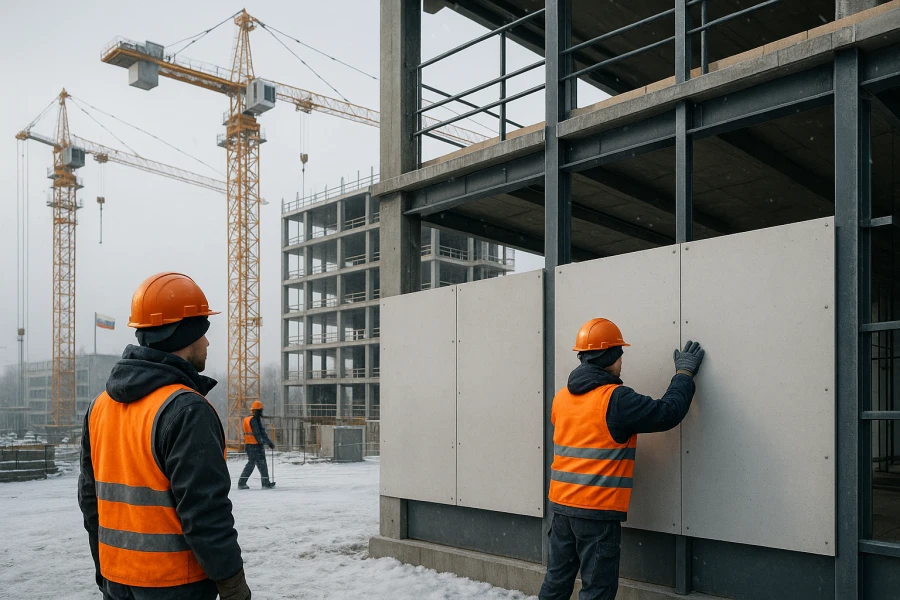
Exterior Applications: With proper protective coatings, MgO boards can also be used in façade systems or exterior cladding, providing durability against weathering and fire hazards.
In summary, the versatility of MgO boards makes them suitable for residential, commercial, and industrial projects across Russia. Builders appreciate the balance of fire safety, acoustic performance, moisture resistance, and durability, which makes MgO boards an increasingly preferred material for 2026 construction projects.
5. Advantages of MgO Board for Russian Builders
MgO boards offer a range of advantages that make them particularly suitable for construction projects in Russia, where safety, durability, and adaptability are key considerations. These benefits address both regulatory requirements and practical construction challenges.
5.1 Fire Resistance
Fire safety is a critical factor in Russian building regulations, especially for residential high-rises and public facilities. MgO boards are non-combustible and can withstand high temperatures, helping builders meet stringent fire codes while protecting occupants and property.
5.2 Moisture and Mold Resistance
Russia’s varied climate, with humid summers in some regions and harsh winters in others, can lead to moisture-related damage in building interiors. MgO boards are highly resistant to moisture and mold growth, making them ideal for bathrooms, kitchens, and basements, as well as damp commercial or industrial spaces.
5.3 Acoustic Insulation
Urban developments in cities like Moscow and St. Petersburg require effective soundproofing to improve indoor comfort. MgO boards’ dense structure provides excellent acoustic insulation, reducing noise transmission between rooms and floors in residential and commercial buildings.
5.4 Durability and Structural Performance
Despite being lightweight, MgO boards offer high compressive and bending strength, allowing for easy handling and installation without sacrificing durability. This feature reduces maintenance costs and extends the lifespan of walls, ceilings, and partitions.
5.5 Eco-Friendly and Sustainable
MgO boards are largely inorganic and free from harmful chemicals such as formaldehyde or volatile organic compounds (VOCs). This makes them a sustainable choice for environmentally conscious construction, aligning with Russia’s growing interest in green building practices.
5.6 Versatility in Applications
Whether used for residential, commercial, or industrial projects, MgO boards can be adapted for walls, ceilings, floors, and even hybrid systems combined with wood or other materials. Their versatility simplifies project planning and allows architects and builders to meet both functional and aesthetic requirements.
In summary, MgO boards combine fire safety, moisture resistance, acoustic performance, and sustainability, providing Russian builders with a reliable, high-performance material for a wide range of construction projects in 2026 and beyond.
6. Market Potential and Opportunities
The Russian construction market in 2026 presents significant opportunities for MgO boards, driven by growing demand for fire-resistant, soundproof, and durable building materials. As residential, commercial, and industrial projects expand, builders and developers are increasingly looking for materials that meet high performance standards while remaining cost-effective and sustainable.
6.1 Growing Demand Across Sectors
-
Residential Construction: Urban housing projects in cities such as Moscow, St. Petersburg, and Yekaterinburg are expanding, with an emphasis on safety and quality interiors. MgO boards are ideal for partitions, ceilings, and floors, providing fire resistance and moisture protection.
-
Commercial Projects: Offices, hotels, and shopping centers require materials that combine durability and acoustic performance. MgO boards offer these benefits while ensuring compliance with fire safety codes.
-
Industrial Facilities: Factories, warehouses, and public infrastructure projects in Russia increasingly adopt MgO boards for partitioning, fire walls, and hybrid construction solutions. Their resistance to humidity, temperature variations, and fire makes them highly practical in industrial settings.
6.2 Opportunities for Builders and Suppliers
-
Local Partnerships: Companies that supply or distribute MgO boards in Russia can tap into a growing market with rising awareness of fire safety and sustainable construction.
-
Hybrid Construction Solutions: Combining MgO boards with other materials such as wood or composite panels can create innovative solutions for both interior and exterior applications, appealing to architects and developers.
-
Custom Products and Large-Scale Projects: Demand for specialized MgO board sizes, thicknesses, and edge designs (e.g., tapered or square edges) offers opportunities for manufacturers to provide tailored solutions for high-volume orders.
6.3 Market Outlook for 2026
Industry analysts project that the adoption of MgO boards in Russia will grow steadily throughout 2026, supported by urban development projects, stricter building codes, and increased interest in sustainable and high-performance materials. Russian builders who integrate MgO boards into their projects can expect enhanced safety, reduced maintenance costs, and improved long-term durability, creating a competitive advantage in a modernizing construction market.
In summary, MgO boards present strong market potential in Russia, with opportunities for suppliers, manufacturers, and builders alike. Their versatility, performance benefits, and alignment with emerging construction trends make them a strategic choice for the 2026 market.
7. Challenges and Considerations
While MgO boards offer numerous advantages for the Russian construction market, there are several challenges and considerations that builders, developers, and suppliers should be aware of. Understanding these factors can help ensure successful adoption and project implementation in 2026.
7.1 Logistics and Supply Chain
Importing or distributing MgO boards in Russia may involve customs clearance, transportation costs, and delivery lead times. Ensuring a reliable supply chain is crucial for large-scale projects, particularly in remote regions or cities with high construction demand.
7.2 Market Awareness and Education
Although MgO boards have clear advantages, some contractors and builders may still be more familiar with traditional materials such as gypsum, cement, or plywood. Educating the market on the benefits of MgO boards—including fire resistance, moisture protection, and acoustic performance—is essential to encourage adoption.
7.3 Cost Considerations
MgO boards can be slightly more expensive than traditional materials due to their advanced composition and manufacturing process. Builders need to balance upfront costs with long-term benefits, such as reduced maintenance, enhanced safety, and durability.
7.4 Regional Climate Variations
Russia’s diverse climate—ranging from humid summers to harsh winters—can impact material performance if not properly managed. While MgO boards are generally durable, proper installation, protective coatings, and moisture control are necessary to maximize performance in extreme conditions.
7.5 Compliance with Standards
Builders must ensure that MgO boards meet local building codes and fire safety regulations. Verifying certifications, quality standards, and compatibility with other building materials is critical for smooth project execution.
By addressing these challenges proactively, Russian builders can maximize the benefits of MgO boards while avoiding potential issues related to supply, cost, and regulatory compliance. With careful planning, MgO boards can play a pivotal role in creating safe, durable, and sustainable construction projects in 2026 and beyond.
8. Conclusion
As the Russian construction market moves into 2026, MgO boards are poised to become an essential material for builders, developers, and architects seeking fire-resistant, moisture-proof, and durable solutions. Their versatility across residential, commercial, and industrial applications makes them a practical and reliable choice for modern construction projects.
With growing awareness of safety standards, sound insulation, and sustainable building practices, MgO boards offer clear advantages over traditional materials like gypsum, plywood, and cement boards. Builders in Russia can benefit from reduced maintenance costs, improved project longevity, and enhanced occupant safety by incorporating MgO boards into their designs.
Moreover, the market potential for MgO boards in Russia is substantial. Expanding urban centers, infrastructure development, and hybrid construction solutions create opportunities for manufacturers, distributors, and contractors alike. By addressing logistical, cost, and regulatory considerations proactively, stakeholders can capitalize on these opportunities while delivering high-performance, modern construction projects.
In conclusion, MgO boards represent a forward-looking, high-performance material that aligns with the evolving needs of the Russian construction market. Whether for residential interiors, commercial buildings, or industrial facilities, their combination of safety, durability, and sustainability positions them as a smart choice for 2026 and beyond.
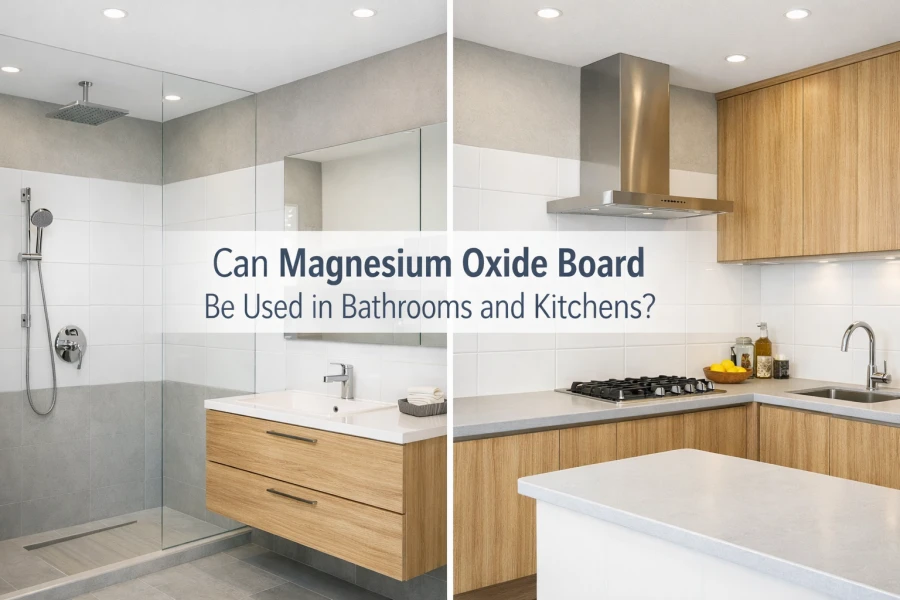
Discover how MgO board performs in bathrooms and kitchens. Learn about moisture resistance, fire safety, mold prevention, and installation practices.
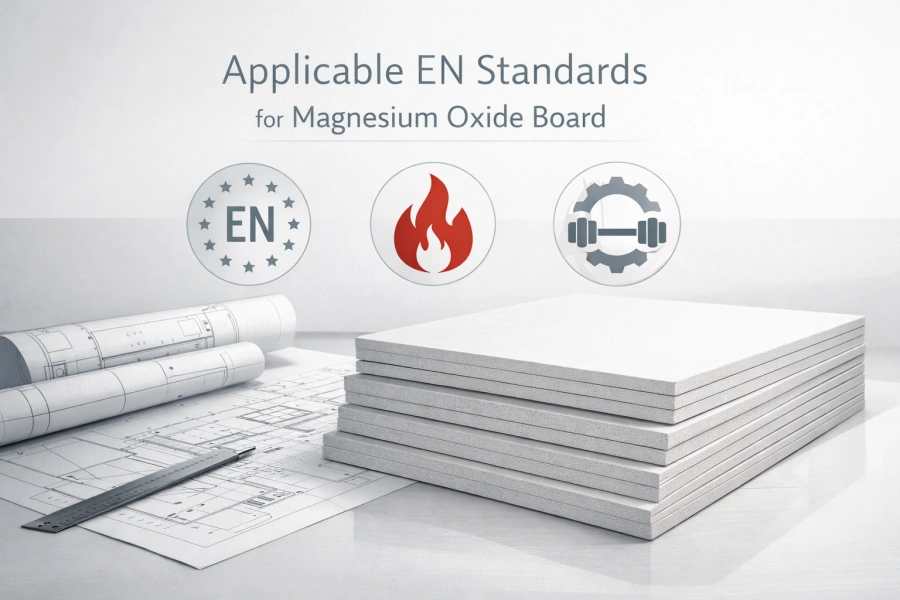
Explore key EN standards for magnesium oxide board, including EN 13501-1, EN 12467, to ensure compliance and performance in European construction.
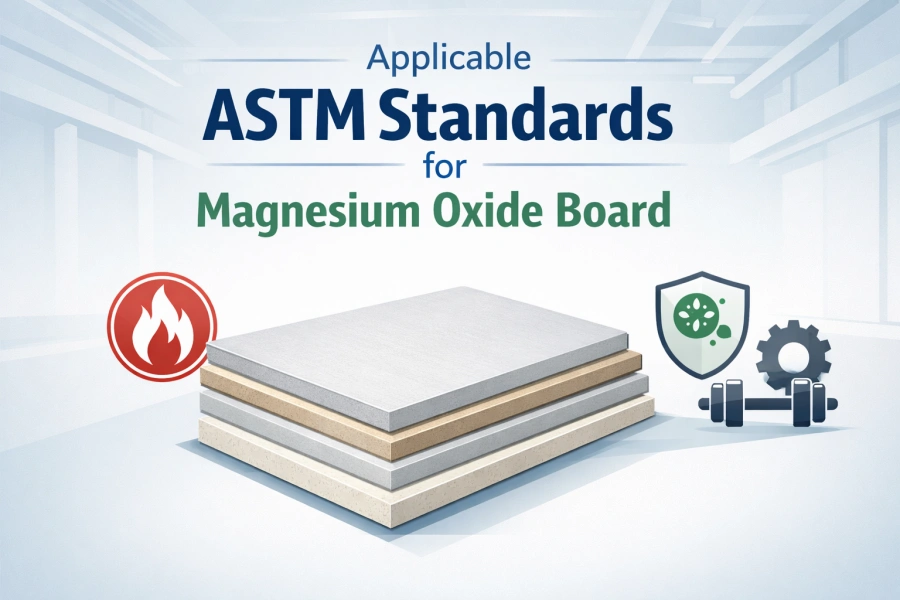
Learn which ASTM standards apply to magnesium oxide board in the U.S., covering fire resistance, mold protection, and structural performance.
